Luxury Hotels Atlas / Places / United States / New York City / InterContinental New York Barclay
InterContinental New York Barclay
New York City, New York, United States · InterContinental · Accessible Luxury
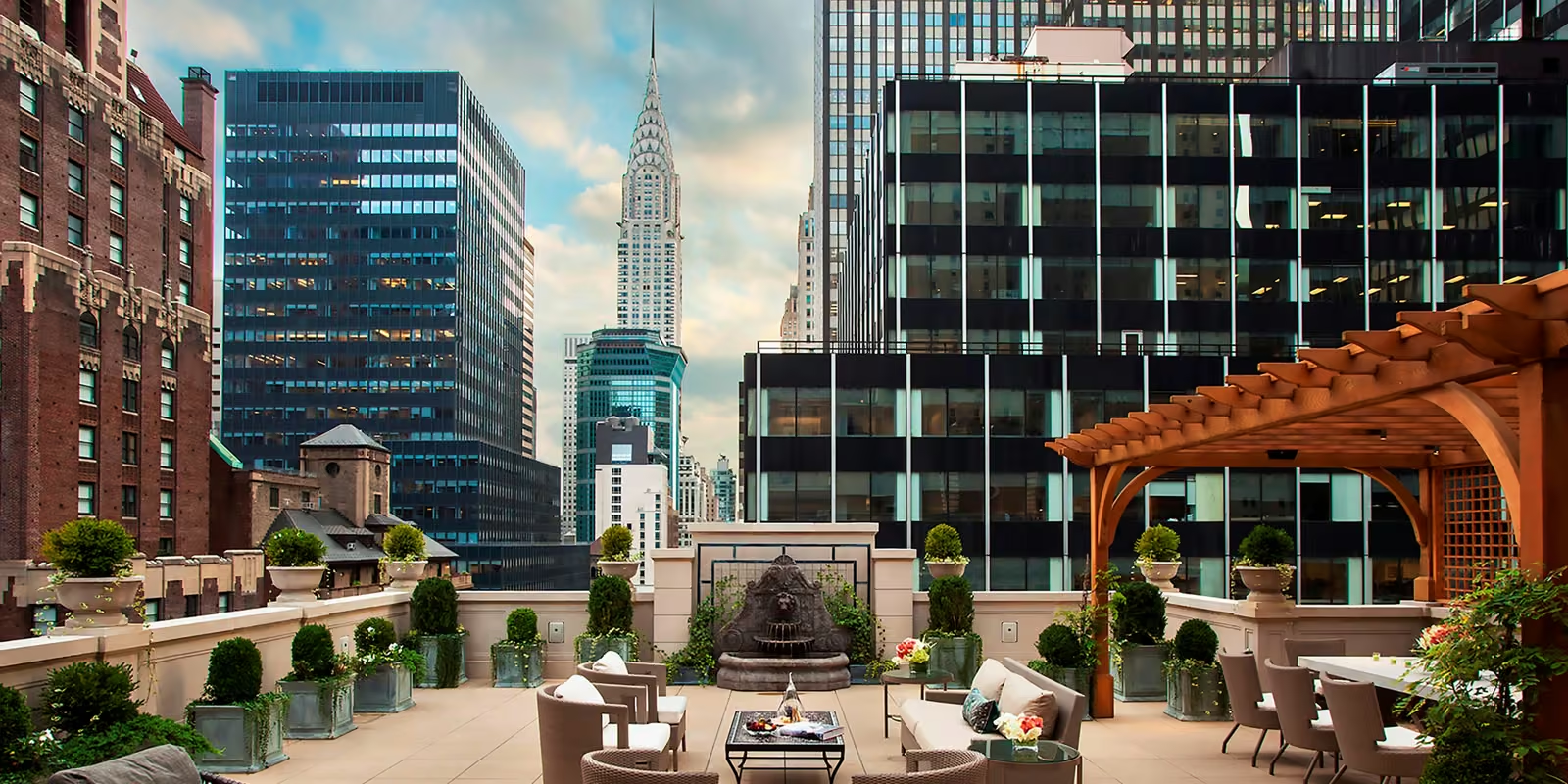
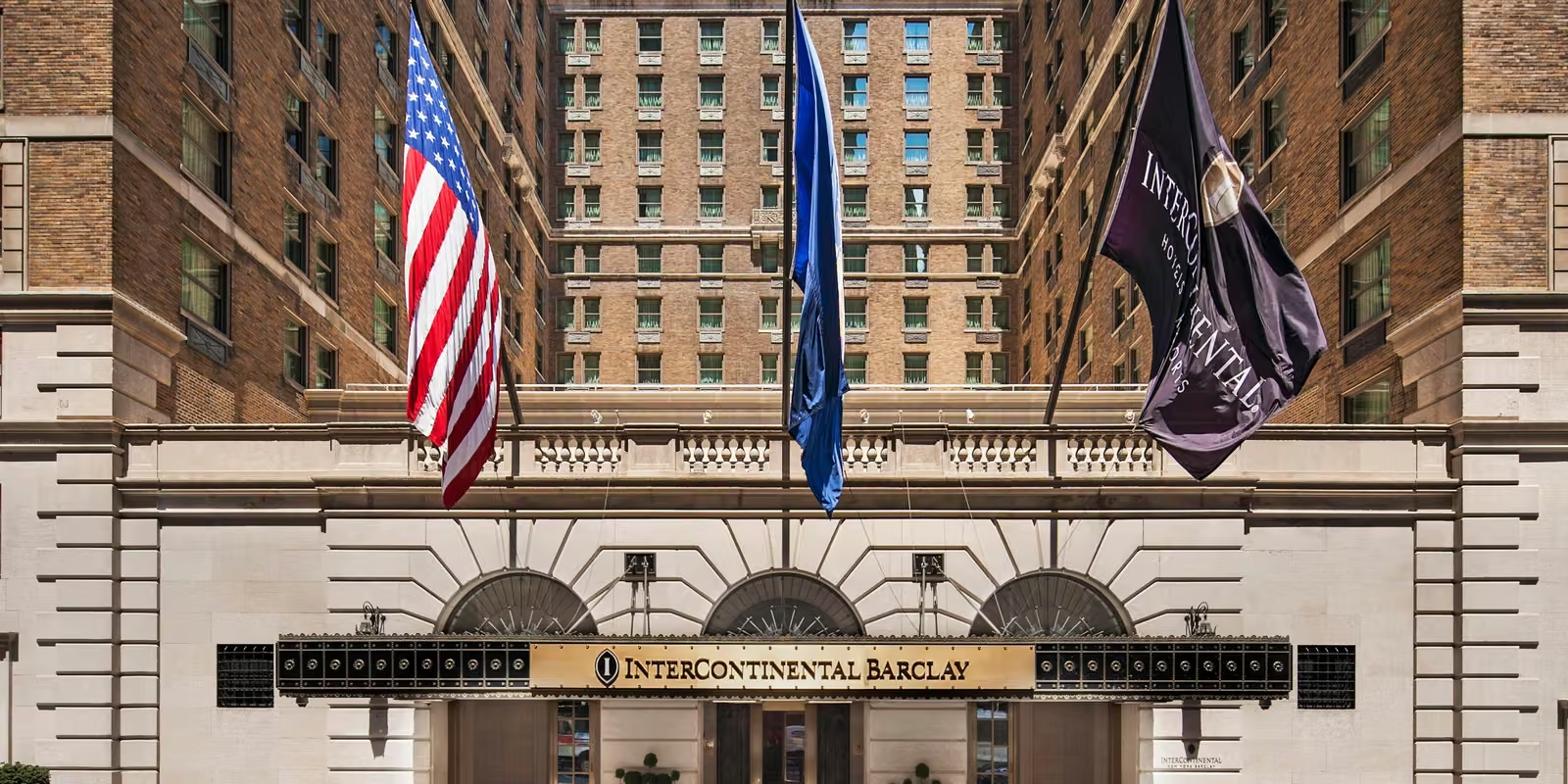
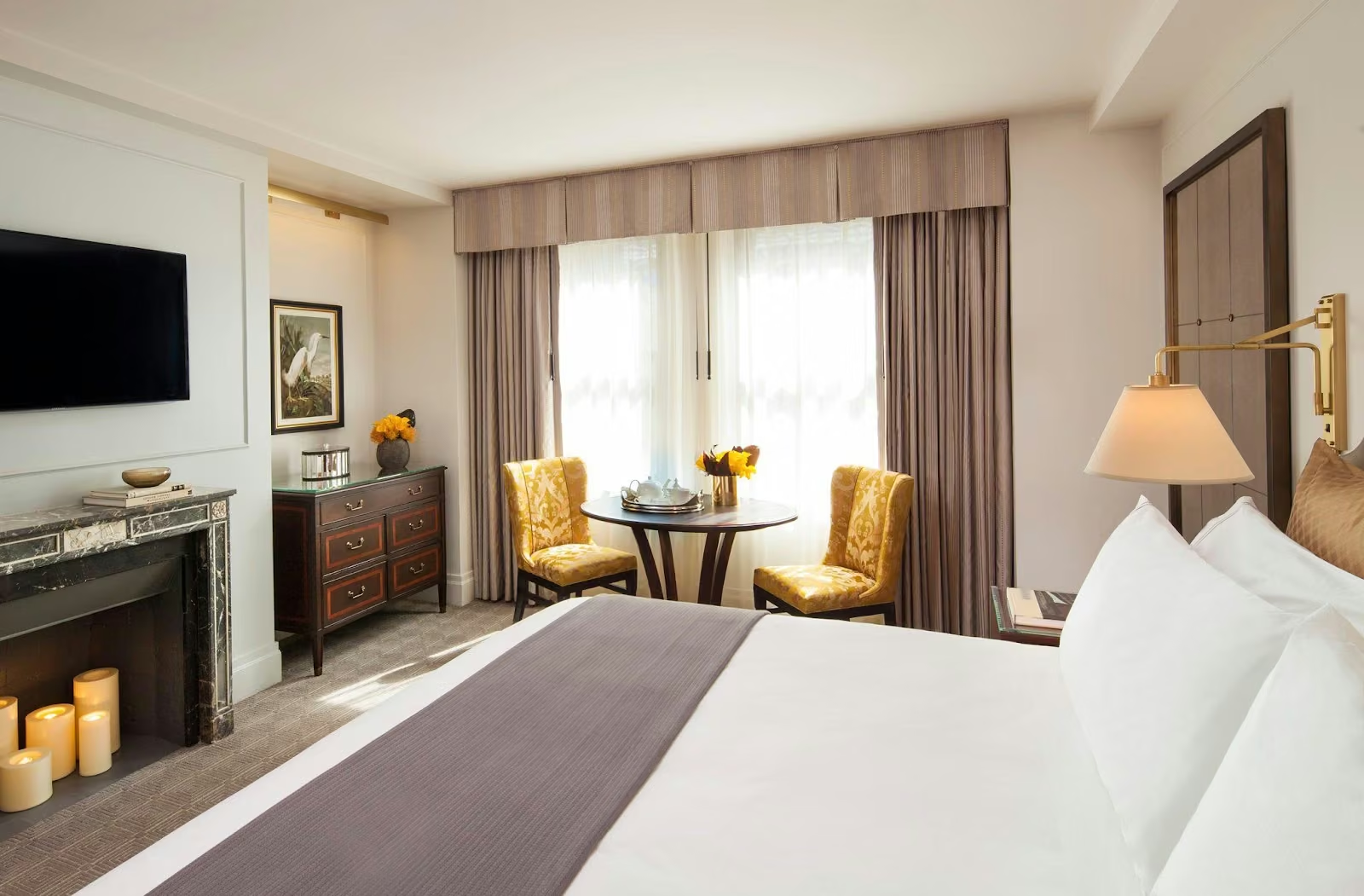
Cross & Cross's Colonial Revival Barclay opened 4 November 1926 as a Terminal City apartment hotel for the New York Central Railroad's Realty Hotels arm, with Harold Stirling Vanderbilt's 17-room rooftop suite complete with squash court. Ernest Hemingway finished For Whom the Bell Tolls in a Barclay room in 1940. Pan Am's InterContinental bought in, renamed it in 1982, and a $180 million Stonehill & Taylor renovation from 2014 to 2016 reset the Lexington Avenue landmark for its 2026 centennial.
- 685 rooms
- Opened 1926
- Neighborhood: Midtown
- Rooms from 240 sq ft (22 m²)
About InterContinental New York Barclay
- Opened 4 November 1926 as one of the grand hotels ringing Grand Central in Terminal City, run by a New York Central Railroad subsidiary.
- Harold Stirling Vanderbilt kept a 17-room top-floor suite with French oak paneling, an onyx stair, gymnasium, and squash court.
- Ernest Hemingway finished For Whom the Bell Tolls here in 1940 after returning from Spain.
- A 1945 lobby birdcage became a famous Midtown meeting spot for decades before later removal.
- Closed 2014-2016 for a $180 million renovation by Stonehill and Taylor before reopening as InterContinental New York Barclay.
History
By the mid-1920s, the block on the west side of Lexington Avenue between 48th and 49th Streets was one of the last undeveloped parcels in Terminal City, the prestigious commercial district that had grown up around Grand Central Terminal in the years after the terminal's completion in 1913. The New York State Realty and Terminal Company, a division of the New York Central Railroad, leased the parcel in January 1925 to a syndicate led by architect Eliot Cross and businessman William Seward Webb Jr., operating as the Barclay Park Corporation. The Vanderbilt family, already deeply embedded in the Terminal City story, provided additional funding. Cross and Cross designed the fourteen-story, H-shaped building in the Colonial Revival style, a deliberate departure from the more familiar neoclassical neighbors in the district. The lower stories were faced in limestone carved with sea creatures and shells; the rest of the facade rose in light-colored brick and architectural terracotta.
The main entrance on 48th Street featured a loggia of three arches, bronze doors, and a marble frame. Inside, the lobby floor was laid in Bardiglio marble with a black-and-gold border, the ceiling was fitted with a Tiffany glass skylight of amber glass set with ironwork arrows and stars, and the main dining room was designed to evoke George Washington's Mount Vernon. Harold Stirling Vanderbilt, director of the New York Central Railroad, occupied a seventeen-room suite on the top floor, complete with imported French oak paneling, an onyx-and-marble stairway, and a rooftop gymnasium and squash court. The Barclay Hotel opened on November 4, 1926, designed as an apartment hotel that catered to long-term residents of elegance — not the convention-oriented hotels of the time. It quickly earned a reputation for glamour and exclusivity.
Marlon Brando, Bette Davis, and Gloria Swanson were among its celebrated guests. Ernest Hemingway returned from Spain in 1940 and finished the final pages of For Whom the Bell Tolls in a Barclay suite. Miss America competitions were held at the hotel; the Cornell Club of New York maintained its headquarters on the third floor from 1939 to 1961. In 1945 the Barclay installed what it claimed was the first birdcage in any hotel lobby in the world, which became a famous meeting spot for decades. Pan American Airways acquired the hotel via its InterContinental Hotels subsidiary in 1978, investing $18 million in a thorough restoration and renaming it the Inter-Continental New York in 1982.
A $20 million lobby and public-rooms renovation followed in 1995, and President Bill Clinton stayed at the property during his 1996 reelection campaign. In 2014 the hotel closed for a two-year, $180 million renovation by architecture firm Stonehill and Taylor, reopening in 2016 with restored ballrooms, refurbished guest rooms in a Park Avenue residential style, and all twenty thousand square feet of meeting space modernized. Celebrating its centennial in 2026 as a member of Historic Hotels of America, the InterContinental New York Barclay remains one of Manhattan's most architecturally intact survivors of the Terminal City era.
The setting
InterContinental New York Barclay has welcomed guests since its 1926 opening at 111 East 48th Street, on a Park Avenue block it shares with the Waldorf Astoria in Midtown's most distinguished hospitality corridor. The hotel recalls the grandeur of Jazz Era New York through successive restorations while retaining its essential address. Rockefeller Center and Grand Central Terminal are each six minutes on foot, Top of the Rock eleven minutes away — placing the hotel within easy walking distance of Midtown's defining cultural landmarks. Park Avenue's uninterrupted sense of occasion, from Grand Central's vaulted concourse to its canyon of Beaux-Arts towers, has made this one of New York's most enduring luxury destinations for a full century. 13-minute walk to Museum of Modern Art.
Restaurants and bars
- The Parlour at The Barclay — Restaurant · Gastropub
Amenities
- Fitness center
- Pet-friendly
Awards
- AAA Four Diamond (2026)
- United States' Leading Business Hotel 2025 (World Travel Awards) (2025)
Open InterContinental New York Barclay in the atlas for live weekend rates, photos, and the full folio.
More InterContinental hotels
- Willard InterContinental Washington — Washington, D.C., United States · High Luxury
- InterContinental Boston — Boston, United States · Core Luxury
- InterContinental Chicago Magnificent Mile — Chicago, United States · Core Luxury
- InterContinental Cleveland — Cleveland, United States · Core Luxury
- InterContinental Houston — Houston, United States · Core Luxury
- InterContinental San Antonio Riverwalk — San Antonio, United States · Core Luxury
More hotels in New York City
- Archer Hotel New York — Archer Hotel · Accessible Luxury
- Casablanca Hotel — Library Hotel Collection · Accessible Luxury
- Chambers Hotel New York — Independent · Accessible Luxury
- Collective Retreats Governors Island — Collective Retreats · Accessible Luxury
- Concorde Hotel New York — Independent · Accessible Luxury
- Gansevoort Meatpacking — Gansevoort · Accessible Luxury
InterContinental in The Maison: the brand's idea, history and every house on the atlas.