Luxury Hotels Atlas / Places / Italy / Alcamo / Tenute Baglio Passofondo
Tenute Baglio Passofondo
Alcamo, Italy · Independent · Accessible Luxury
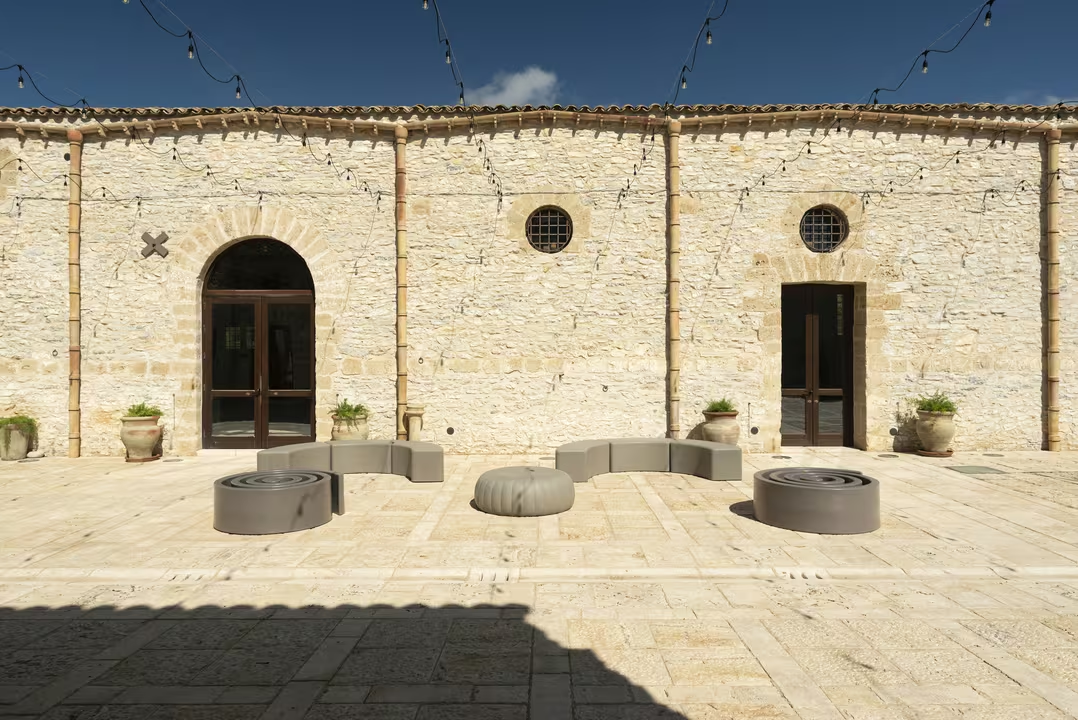
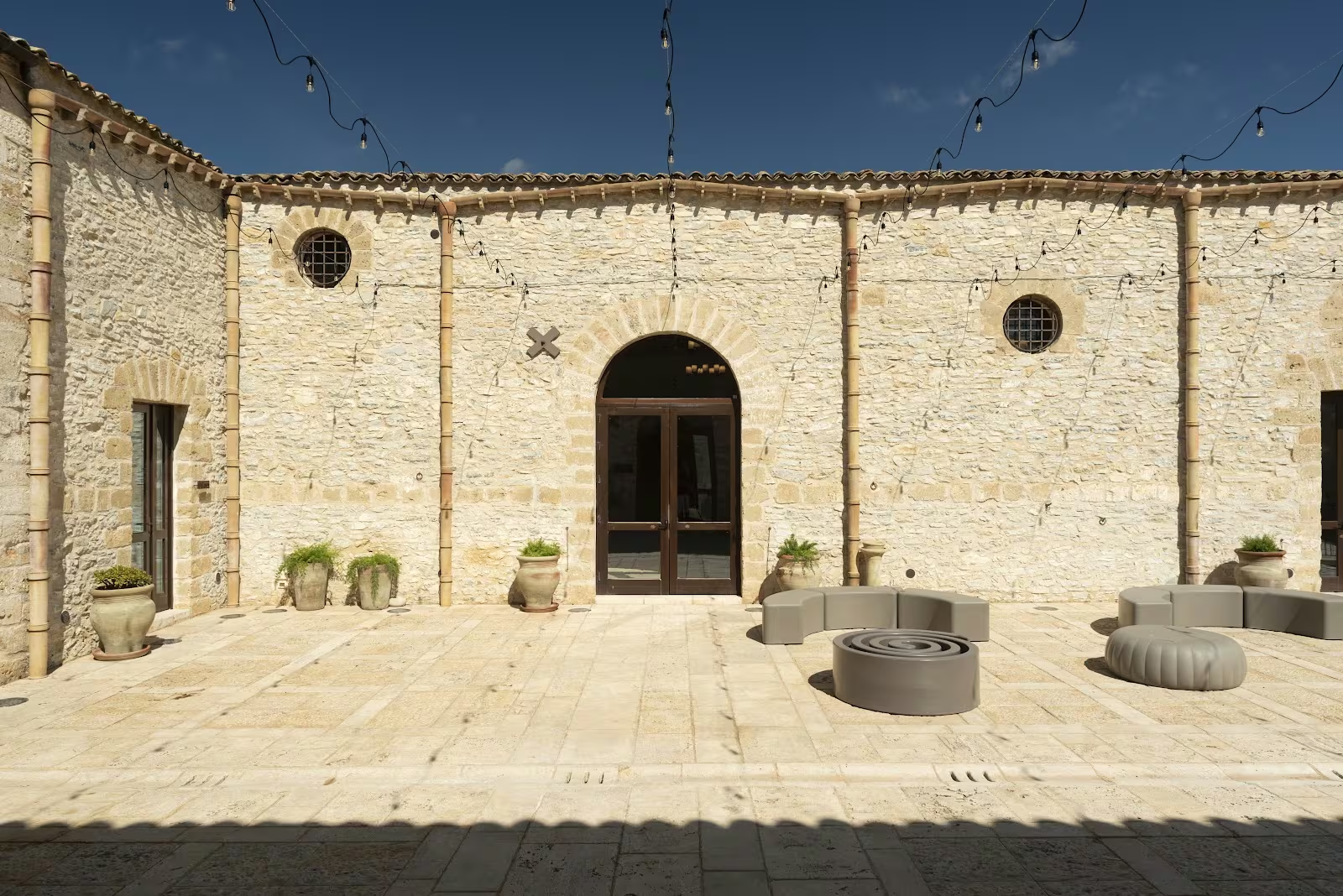
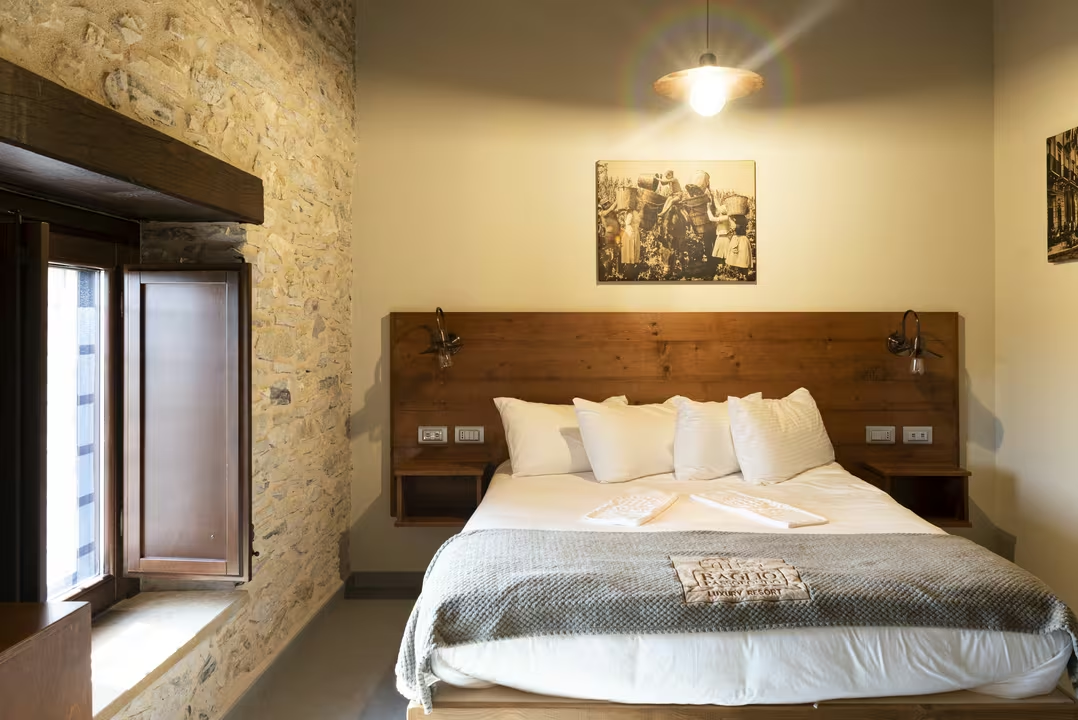
Anthony Francis Stellino grew up in California and works out of Hong Kong, but he spent his boyhood summers with grandparents in Alcamo and Camporeale, and in his sixties he took on the nineteenth-century baglio he remembered in contrada Passofondo. A baglio is the fortified Sicilian courtyard farm, and ten suites now sit around this one, with beams overhead, chiselled stone walls and heated floors in local Alcamo travertine. Nine hectares of Catarratto, Zibibbo and old olives run out from the gate, and the restaurant keeps a chef's table for five.
- 10 rooms
About Tenute Baglio Passofondo
- Alcamo was among the first Sicilian appellations to win DOC status, on 21 July 1972, and at the start it covered only the white wine made from Catarratto.
- Bianco d'Alcamo was already on the list of prized Sicilian table wines in 1856 and took a diploma of honour at the Venice wine fair in 1887.
- The estate's own Alcamo Bianco comes from grapes left to shrivel on the vine into late October, with some noble rot allowed to form before a slow fermentation in ten-hectolitre steel.
- Stellino is a Cabernet man, so a few rows of it went in alongside the Grillo and the Zibibbo.
History
Baglio Passofondo is a nineteenth-century baglio in the contrada of the same name south of Alcamo, in the province of Trapani. A baglio is the classic Sicilian working estate: a quadrangular courtyard closed by buildings of chiselled stone, part farm and part fortified house. This one was brought back by Anthony Francis Stellino, born in California, resident in Hong Kong where he runs a lighting business, and the grandson of Sicilians from Alcamo and Camporeale. He spent his childhood holidays among these vines. In his mid-sixties he bought the baglio and restored it into ten rooms of restrained, technologically well-equipped design: wooden beams, stone walls, heated floors in Alcamo travertine, whirlpool baths and ethanol fireplaces.
The rooms sit around the courtyard, which now holds a heated jacuzzi pool, and the buildings also take the restaurant, a spa and wellness area and event spaces. Beyond the wrought-iron gate the estate runs to nine hectares of vines and centuries-old olives: Catarratto, Zibibbo, Calabrese and the native Alcamo Bianco, farmed sustainably, along with a kitchen garden and hedges of medicinal herbs. The estate bottles under its own label and presses a small quantity of oil for the kitchen. The restaurant has a chef's table, a large travertine slab facing the stoves, seating four or five.
The setting
Alcamo sits on the hills between Palermo and Trapani, and vines have marked this landscape for a very long time. Greek colonists are credited with introducing viticulture here around the seventh century BC, and the wine of these slopes was traded in Roman times. The modern name for it, Bianco d'Alcamo, was already listed among Sicily's prized table wines in 1856 and won a diploma of honour at the Venice wine fair in 1887; the Alcamo DOC followed on 21 July 1972, initially for white wine from Catarratto only. The estate lies off the provincial road 119 at kilometre seven, a short run from the A29 between Palermo and Mazara del Vallo. The Greek temple at Segesta and the gulf at Castellammare are both close, and the Tyrrhenian coast is about twenty kilometres north.
Amenities
- Event planning including floral arrangements, mise en place and catering
Open Tenute Baglio Passofondo in the atlas for live weekend rates, photos, and the full folio.