Luxury Hotels Atlas / Places / United Kingdom / London / Landmark London, The
Landmark London, The
London, England, United Kingdom · Independent · High Luxury
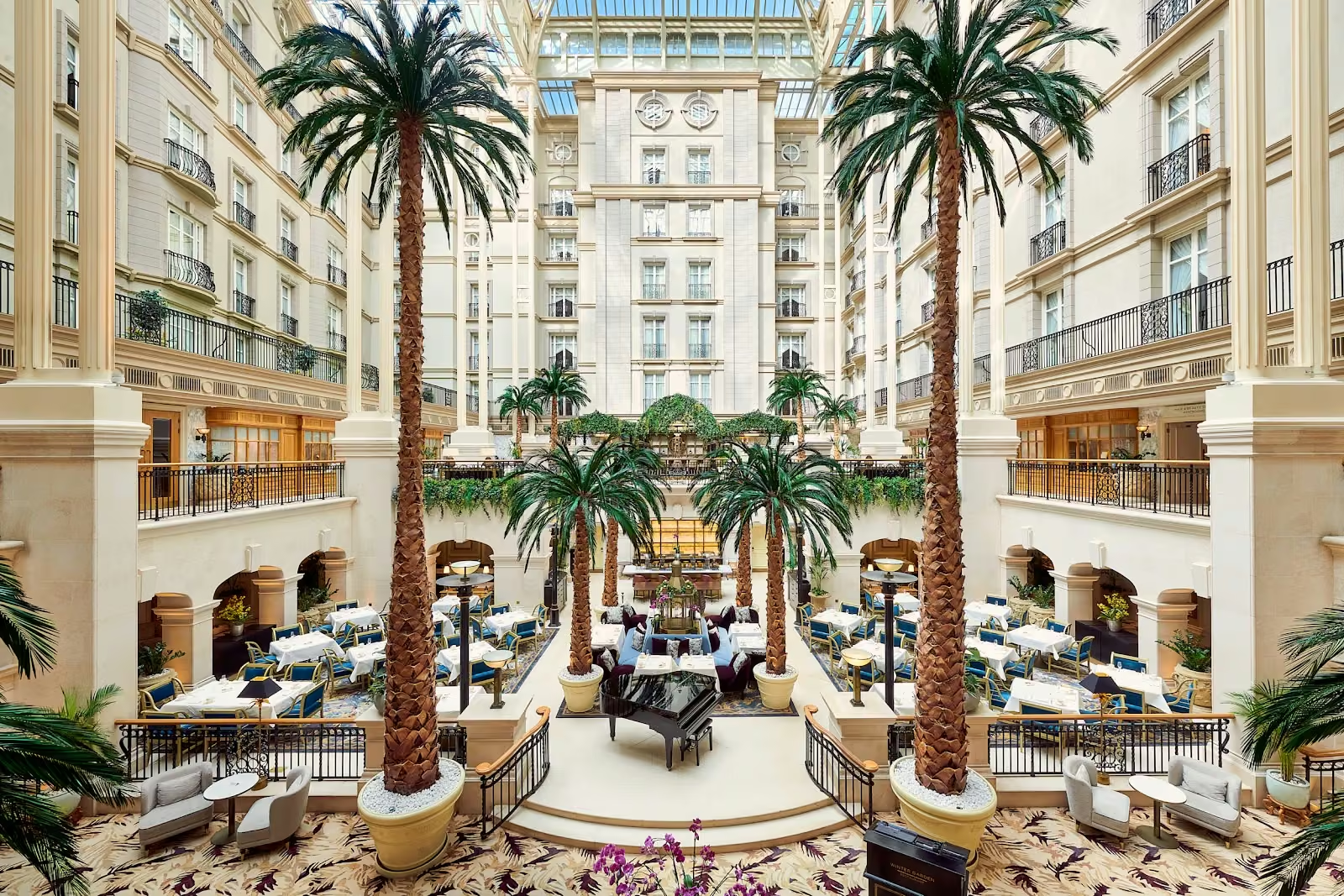
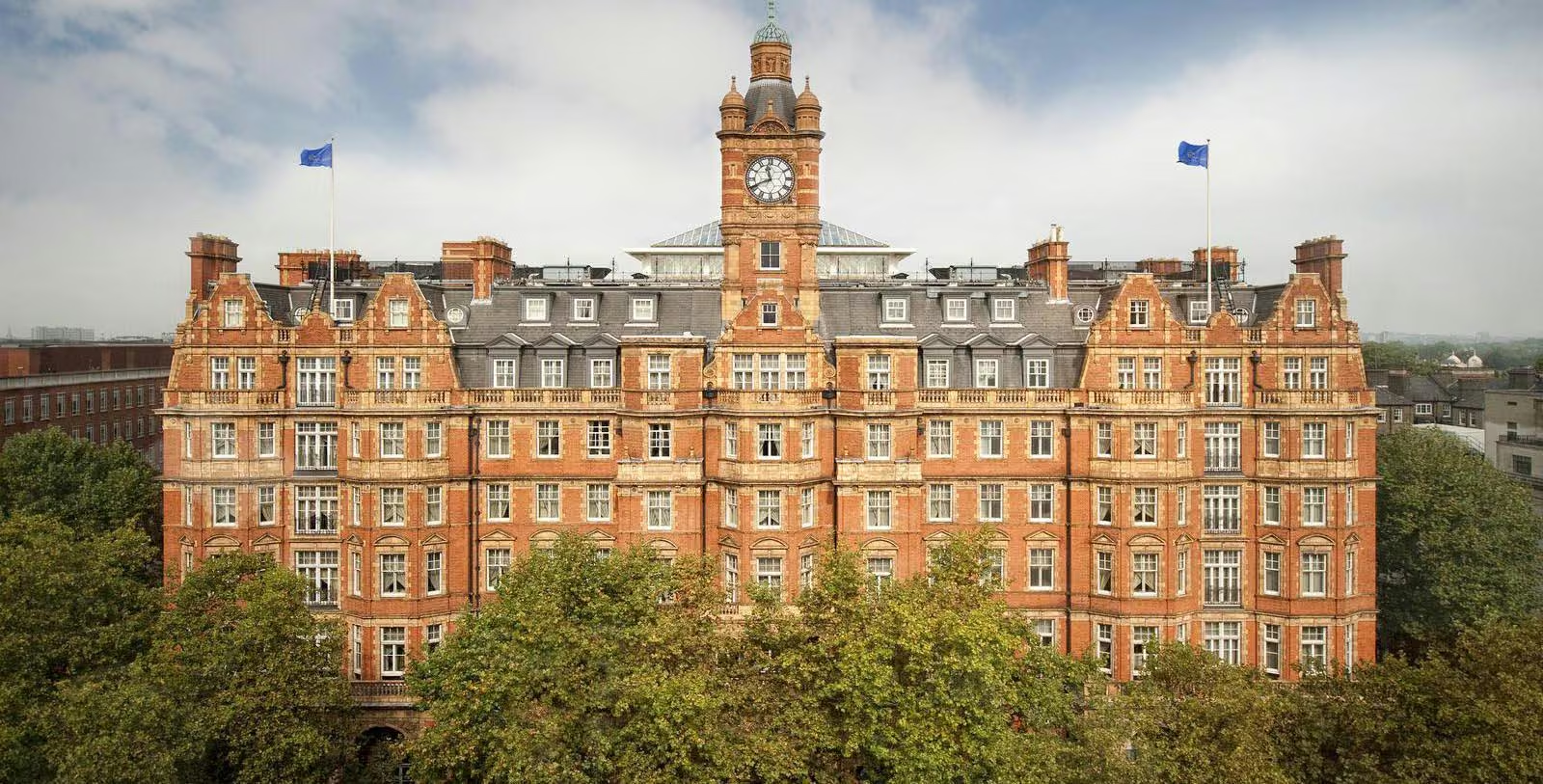
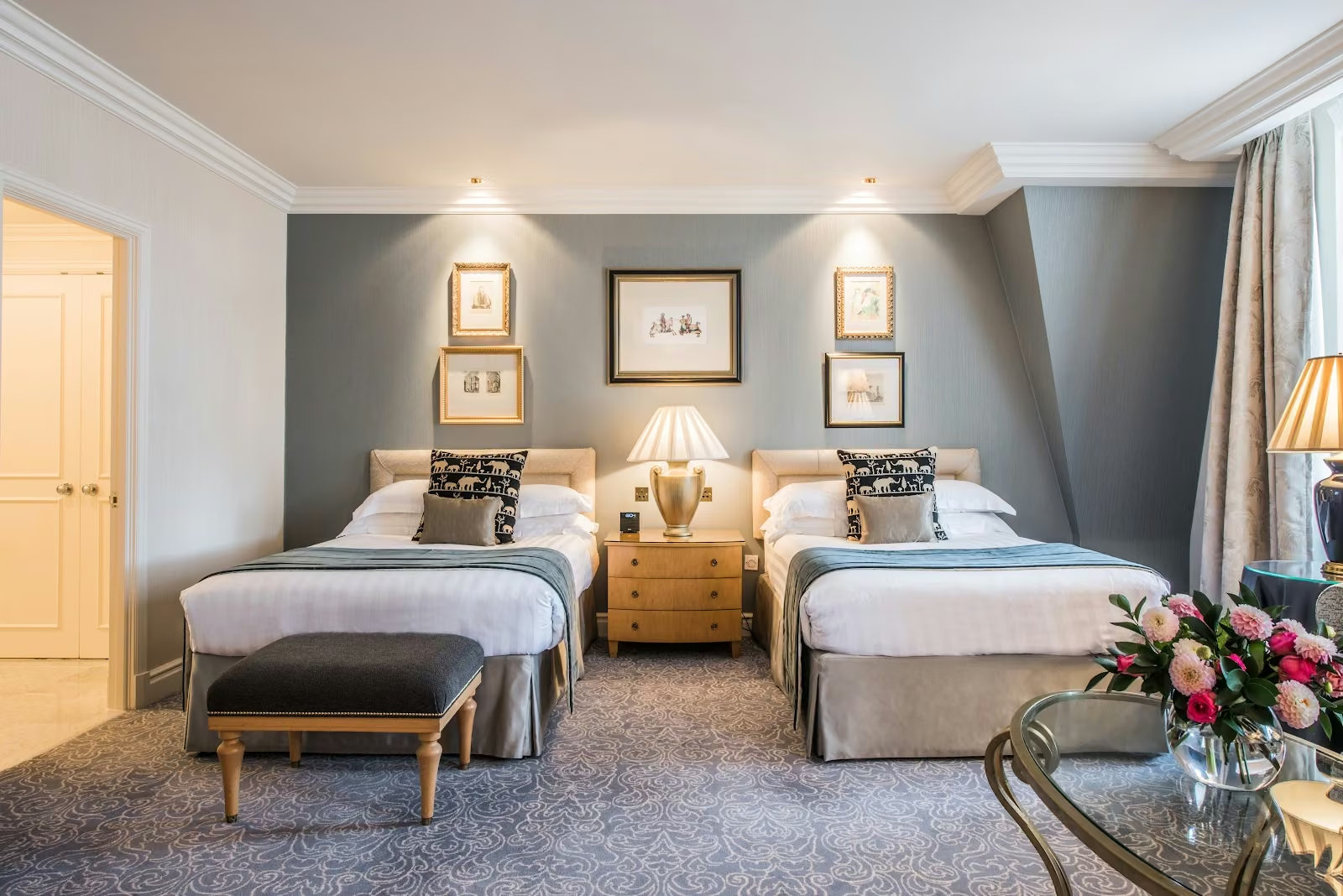
Sir Edward Watkin of the Great Central Railway imagined Marylebone as the hub of a Channel Tunnel line, then sold the hotel site to furniture magnate Sir John Blundell Maple, who opened the Hotel Great Central in 1899 beside the station. Colonel Sir Robert William Edis wrapped an opulent block around a vast courtyard that later became the glass-roofed Winter Garden atrium. After decades as a wartime convalescent home and British Railways Board headquarters nicknamed The Kremlin, it reopened as a hotel in 1993 and took the Landmark London name in 1995.
- 300 rooms
- Opened 1899
- Neighborhood: London NW1 6QN
- Architect: Sir Albert Joseph Cassel
About Landmark London, The
- Watkin's Channel Tunnel railway vision for Marylebone proved too ambitious; financial trouble forced the sale of the hotel site to Sir John Blundell Maple before the 1899 opening.
- The Ladies' Alpine Club rented rooms here and held its annual dinner at the Hotel Great Central.
- Railway staff nicknamed the postwar British Railways Board headquarters The Kremlin while the building served as offices for more than forty years out of hotel use.
- A Japanese buyer restored and reopened the property in 1993 as The Regent, London before Lancaster Landmark Hotel Company renamed it The Landmark London in 1995.
- The hotel holds Historic Hotels Worldwide membership, AA Five Red Stars for 2025, and Leading Hotels of the World affiliation.
History
The Landmark London occupies one of the grand railway hotels of late Victorian London, built for the Great Central Railway and opened in 1899 as the Great Central Hotel. The hotel’s own history notes that it was designed by architect Sir Albert Joseph Cassel and conceived as a showpiece beside Marylebone station, with an enormous central courtyard that was later transformed into the glass-roofed atrium that now defines the property.
The building’s scale and ambition were unusual even by London standards: it was intended to impress arriving travellers with a spacious, light-filled interior rather than the compressed corridors typical of railway hotels. After the First World War, the property’s fortunes changed with the decline of the Great Central Railway, and the hotel later operated under different names before eventually becoming The Landmark London.
Today the hotel presents itself as a restored grande dame rather than a preserved museum piece, but its history remains tied to Marylebone’s rail era and to the rare survival of a major Victorian railway-hotel shell in central London. Its current identity centers on the soaring atrium, winter garden atmosphere, and the original sense of arrival that railway companies once used to sell speed, comfort, and modernity.
Because the hotel’s public-facing history page in the retrieved content did not expose a fuller chronology, I relied on the hotel’s official site for the core verified facts and did not add unverified claims about guests, awards, or later ownership.
The setting
The Landmark London stands at 222 Marylebone Road, the grand railway hotel built in 1899 for the Great Central Railway — the last main line to enter Victorian London — to the designs of Sir Edward Watkin, who envisioned Marylebone as an international continental hub. The hotel's eight-storey glass-roofed Winter Garden atrium remains one of the most dramatic internal spaces in London. Hyde Park is eighteen minutes on foot south through Marylebone's Georgian terraces. Marylebone station connects the hotel directly to Oxford and the Chilterns, while Baker Street — home to the Sherlock Holmes Museum — is a short walk west.
Restaurants and bars
- Champagne Bar at the Landmark London — Bar · Bar
- Great Central Pub by Matt Fletcher — Bar · Pub
- The Mirror Bar — Bar · Cocktail bar
- Winter Garden Restaurant — Restaurant · Fine dining
Experiences
- Explore London — The perfect launch pad to all of London.
Amenities
- Spa
- Indoor pool
- Sauna
- Hot tub
- Fitness center
Awards
- AA Five Red Stars (2025)
Open Landmark London, The in the atlas for live weekend rates, photos, and the full folio.
More hotels in London
- Broadwick Soho — Independent · High Luxury
- Cambridge House, Auberge Resorts Collection — Auberge Resorts · High Luxury
- Charlotte Street Hotel — Firmdale Hotels · High Luxury
- Conrad London St. James — Conrad · High Luxury
- Covent Garden Hotel — Firmdale Hotels · High Luxury
- DUKES LONDON — Independent · High Luxury