Luxury Hotels Atlas / Places / India / Deogarh / Deogarh Mahal
Deogarh Mahal
Deogarh, India · Independent · Accessible Luxury
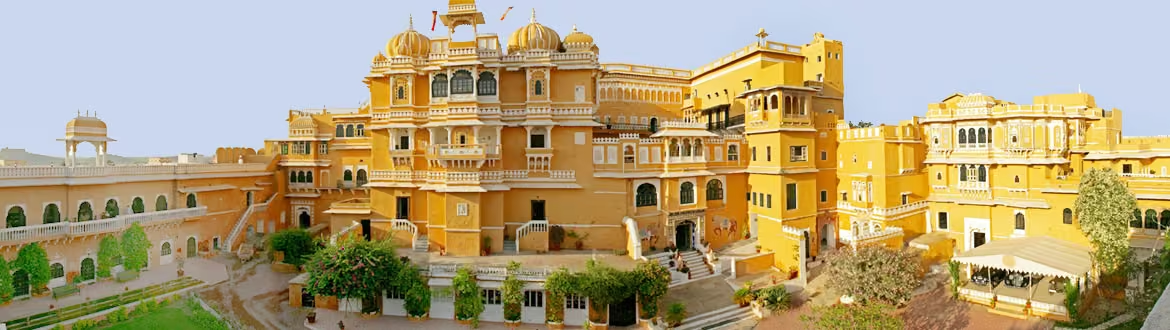
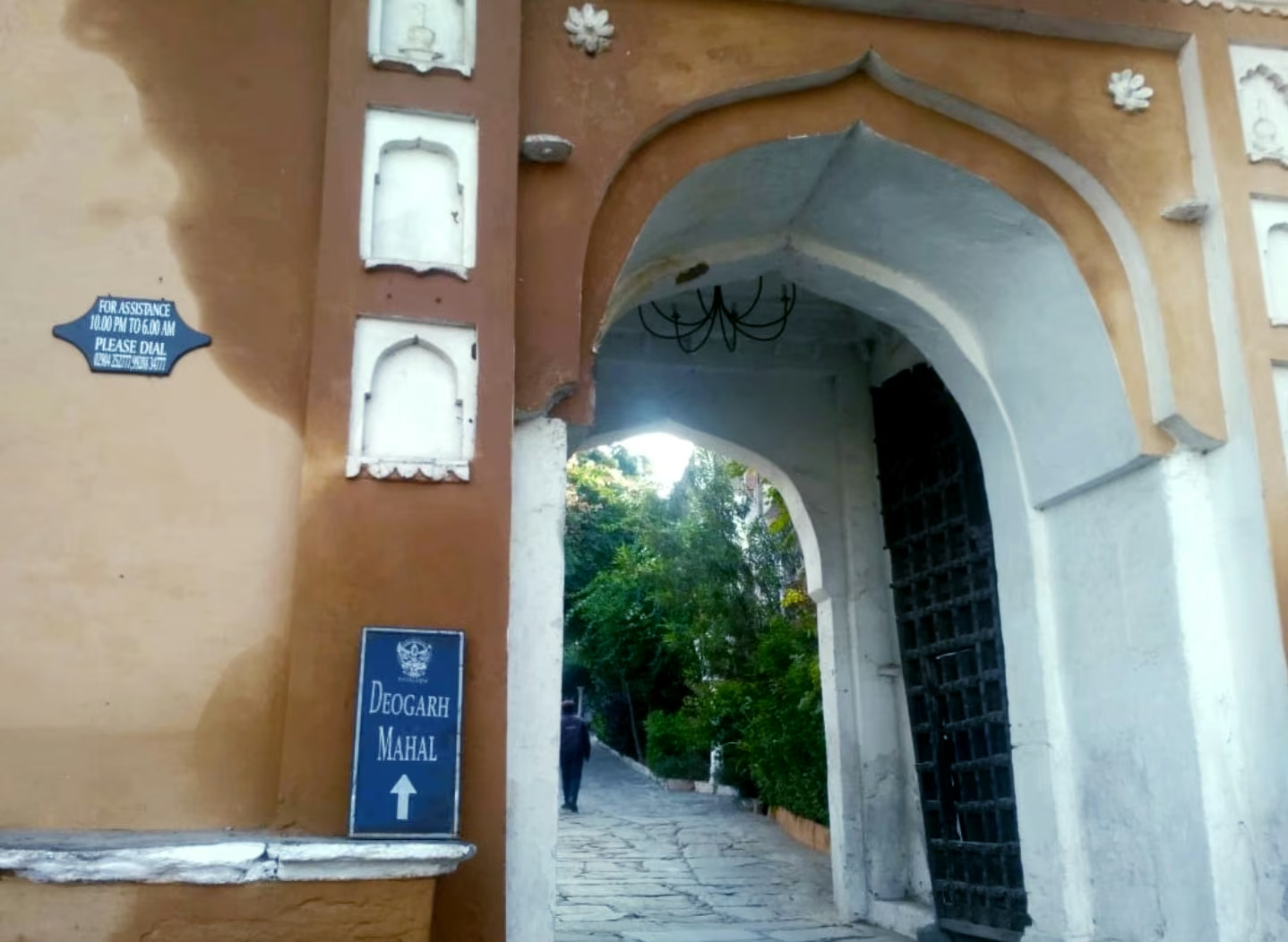
Deogarh Mahal rises from a hilltop in Rajasthan as the former fort and palace of the Rawats of Deogarh, one of the sixteen senior feudal barons, or umraos, of Mewar. The building dates to around 1670, when the Rawats ruled the fourth-largest jagir in Rajasthan, roughly 210 villages, with a Kacheri at the entrance where justice was administered. Narrow passages and staircases still lead to courtyards, royal portraits, family shrines, and jali windows. In 1996 the family opened the mahal as a heritage hotel and kept living in part of the building.
- 71 rooms
- Opened 1996
- Neighborhood: Palace Road
History
Deogarh Mahal rises from a hilltop in Rajasthan as the former fort and palace of the Rawats of Deogarh, a lineage the property’s own history page places among the sixteen senior feudal barons, or umraos, of Mewar. The official history traces the building to around 1670, when the Rawats ruled what the site describes as the fourth-largest jagir in Rajasthan, covering roughly 210 villages. That scale matters: Deogarh was the seat of a substantial power base, with a Kacheri at the entrance where justice was administered and with defensive circulation routes shaped by the demands of security.
The palace’s layered interior still reflects that working history. The official account notes that visitors move through narrow passages and staircases before reaching courtyards and upper levels, while much of the structure retained its original character with relatively limited British-period alteration. Over time, later rulers added and adapted spaces, including a central courtyard whose floor level was raised from an earlier garden setting. The property also preserves royal portraits, family shrines, jali windows, and other traces of its long dynastic use.
Deogarh’s modern life as a hotel began in 1996, when the family converted the mahal into a heritage property while continuing to occupy part of the building and oversee it personally. That continuity is central to its identity: a lived-in ancestral palace adapted for hospitality and still tied to the Rawats' history. Travel writing has long treated it as one of Rajasthan’s most atmospheric heritage stays, and the family’s stewardship has helped keep both the palace and the wider Deogarh heritage landscape in use rather than abandoned.
The setting
27 km from Ravla Siriyari castle.
Restaurants and bars
- Chandra Mahal — Restaurant
- Surya Mahal — Restaurant
Experiences
- Theme dinners: Chowki dinner and Royal Dessert Dinner at Khayyam — Themed dinners for events: a Rajasthani low-seating chowki dinner with silverware, and a royal dessert dinner with folk song and dance.
Amenities
- Fully equipped James Bond bar
- Huge neem tree in the creeper-strewn courtyard
- Lashings of hot water (per a quoted review)
- Internal transfers in open vehicles between locations during the event
- Airport transfers as per guest flight schedule (on charge basis)
- Decoration at Mahal and Khayyam (on charge basis, cost depends on theme)
Awards
- Historic Hotels Worldwide member
Open Deogarh Mahal in the atlas for live weekend rates, photos, and the full folio.
More hotels in Deogarh
- Fort Seengh Sagar — Independent · Accessible Luxury