Luxury Hotels Atlas / Places / Norway / Oscarsborg / Oscarsborg Castle
Oscarsborg Castle
Oscarsborg, Norway · Ascend Hotel Collection · Core Luxury
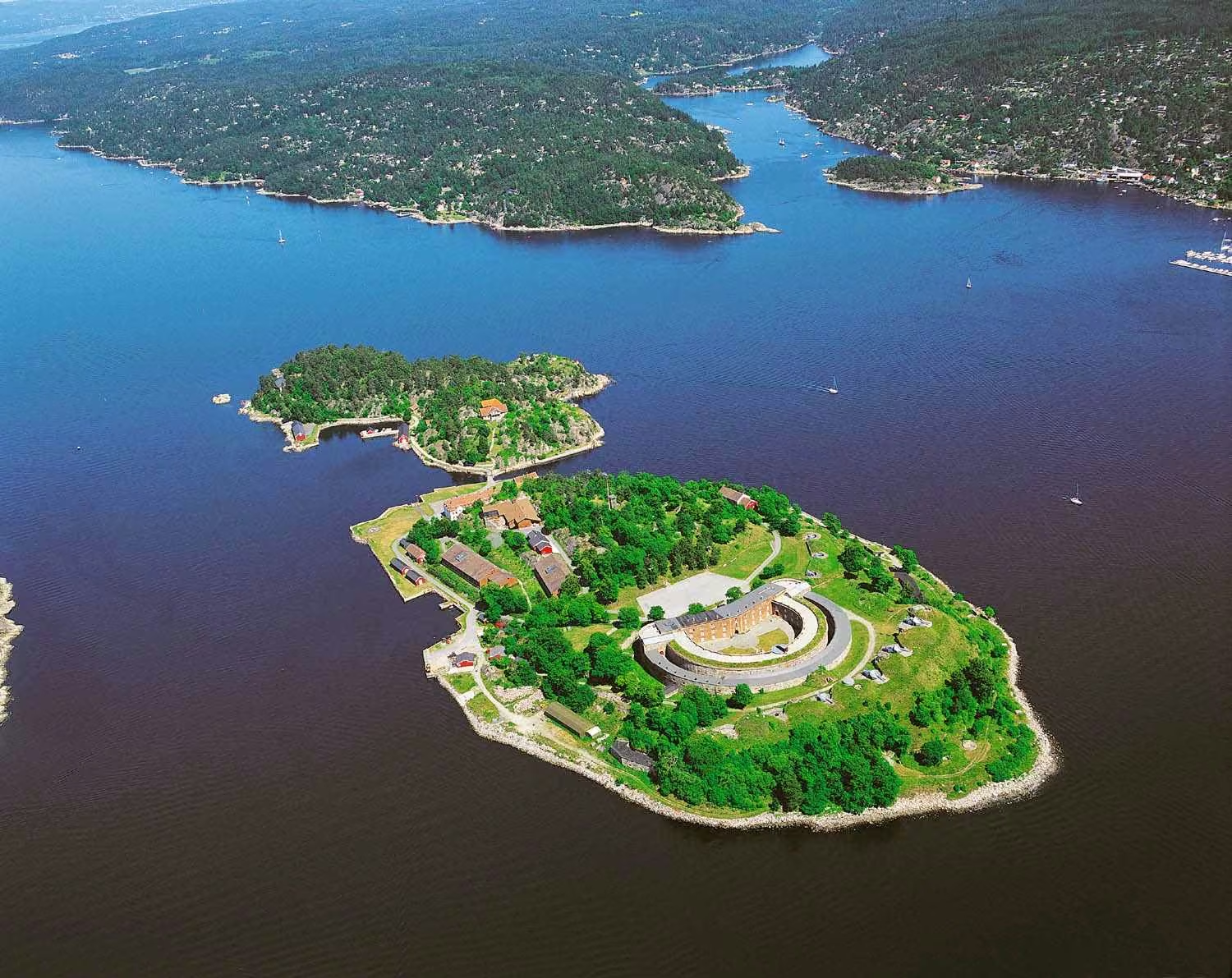
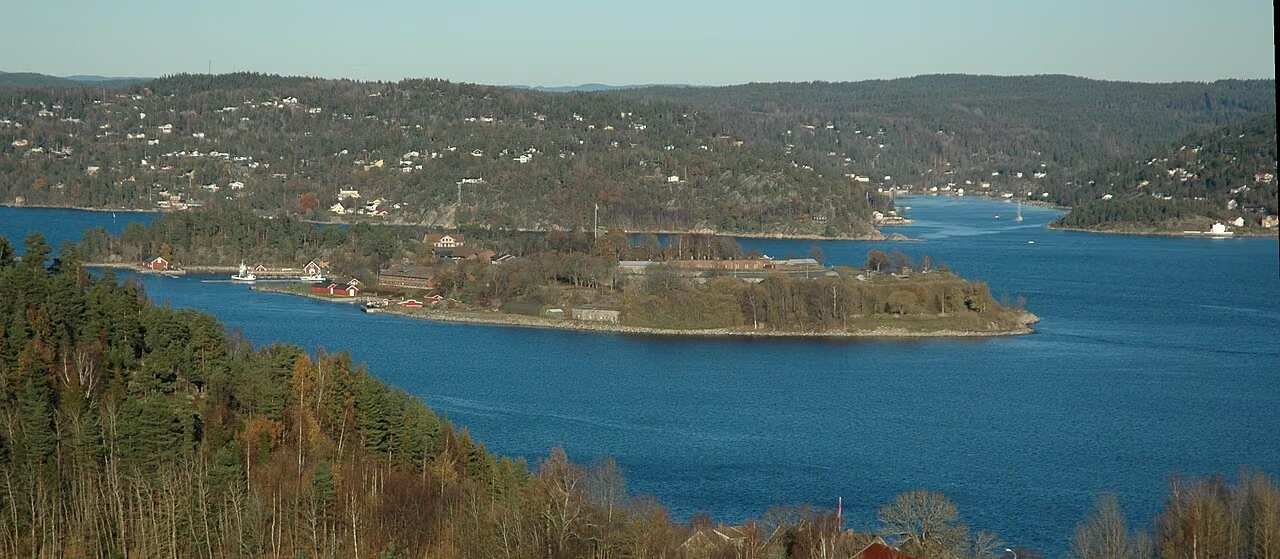
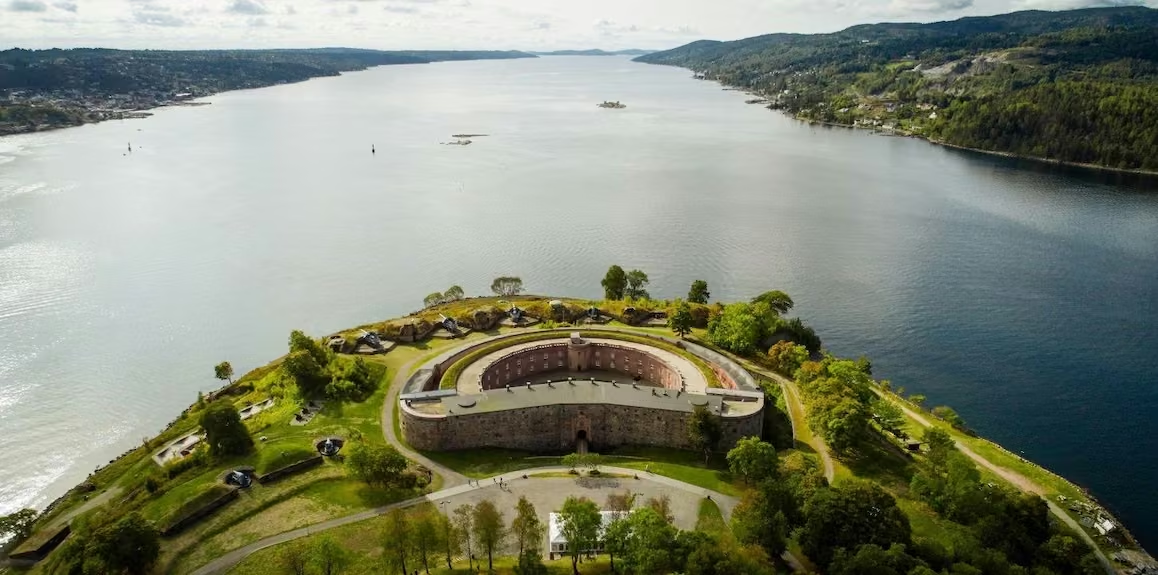
Oscarsborg Castle began as a coastal defense project in the Oslofjord, built from 1846 to protect Christiania, now Oslo, after the state bought the Kaholmen islands in 1845 and named the fortress for King Oscar's 1855 visit. Its defining moment came on 9 April 1940, when its guns and torpedo battery sank the German heavy cruiser Blücher during the invasion of Norway, slowing the advance and helping the government and royal family evacuate the capital. The site opened to civilian visitors in 2004 and now operates as a preserved stronghold with museums centered on the events of 1940.
- Opened 1848
About Oscarsborg Castle
- On April 9, 1940 Oscarsborg Fortress guns and torpedoes sank the German cruiser Blücher in the Oslofjord, delaying the invasion of Oslo and letting Norway's royal family and government escape.
- The state bought the Kaholmen islands in 1845; construction began in 1846 and the fortress was named Oscarsborg after King Oscar I visited in 1855.
- Oscarsborg Castle Hotel occupies converted military barracks on the fortress island, reachable only by passenger ferry from Drøbak or Oslo, with family rooms retaining named bunk beds from the garrison era.
- Underground passages lead from the main fort to southern and beach batteries, and the on site museum interprets the 1940 battle that Norway considers among the war's most politically significant acts.
- The fortress opened to civilian visitors in 2004 after decades of military use, and recent tours visit film locations from the 2025 Blücher drama shot on the island.
History
Oscarsborg Castle, more properly known as Oscarsborg Fortress, began as a strategic coastal defense project in the Oslofjord. The state bought the Kaholmen islands in 1845, construction began in 1846, and the fortress was named Oscarsborg after King Oscar’s visit in 1855. Its original purpose was straightforward: to protect Christiania, now Oslo, from sea attack. As artillery evolved, the fortress was repeatedly expanded from 1890 with new batteries, a torpedo installation, minefields, and entrenchments, turning it into one of the most formidable defensive sites in Norway.
The fortress’ defining moment came on 9 April 1940, when German invasion forces entered the Oslofjord. Oscarsborg’s guns and torpedo battery sank the heavy cruiser Blücher, slowing the German advance and helping Norwegian authorities evacuate the capital and safeguard the government and royal family. That single action made Oscarsborg a symbol of resistance in Norway’s wartime memory.
After the Second World War, the site continued in military use for decades before its role changed. By the early 2000s, Oscarsborg was opened to the public as a military cultural heritage site and visitor destination, with museums interpreting the fortress’ layered history. Today it is presented as both a historic stronghold and a cultural attraction, with the preserved fortifications, underground spaces, and museum exhibits centered on the events of 1940. The site’s long arc—from nineteenth-century coastal defense to wartime landmark to heritage destination—gives it an unusually direct connection between landscape, military strategy, and modern Norwegian identity.
The fortress opened to civilian visitors in 2004 after decades of military use, and recent tours visit film locations from the 2025 Blücher drama shot on the island.
The setting
3-minute walk to museums at the 19th-century Oscarburg Fortress that guarded the Inner.
Awards
- Historic Hotels Worldwide member
Open Oscarsborg Castle in the atlas for live weekend rates, photos, and the full folio.