Luxury Hotels Atlas / Places / Norway / Kongsvinger / Festningen Castle
Festningen Castle
Kongsvinger, Norway · Ascend Hotel Collection · Core Luxury
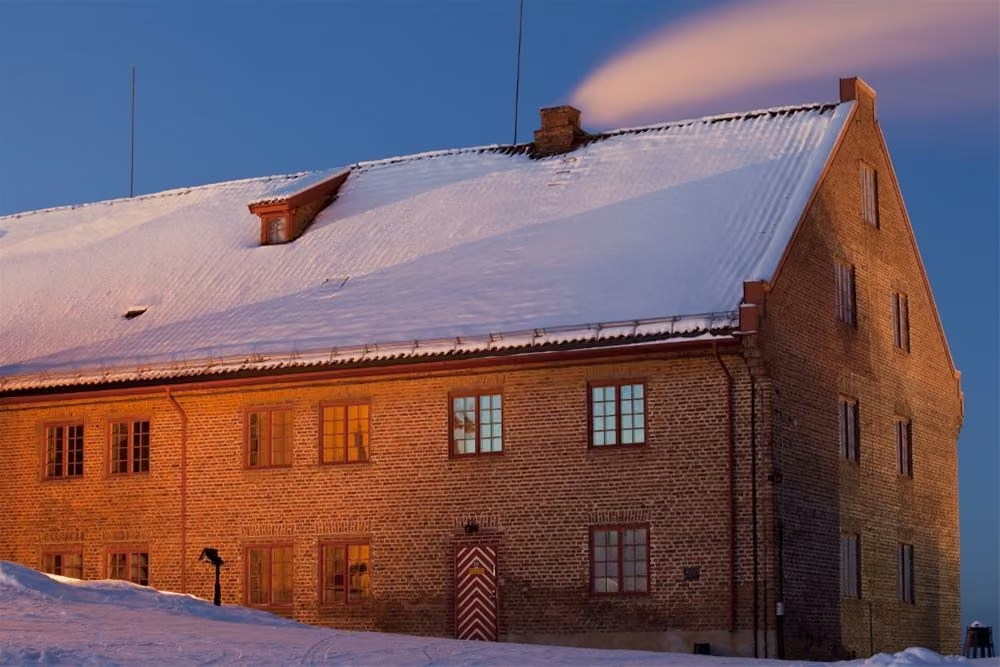
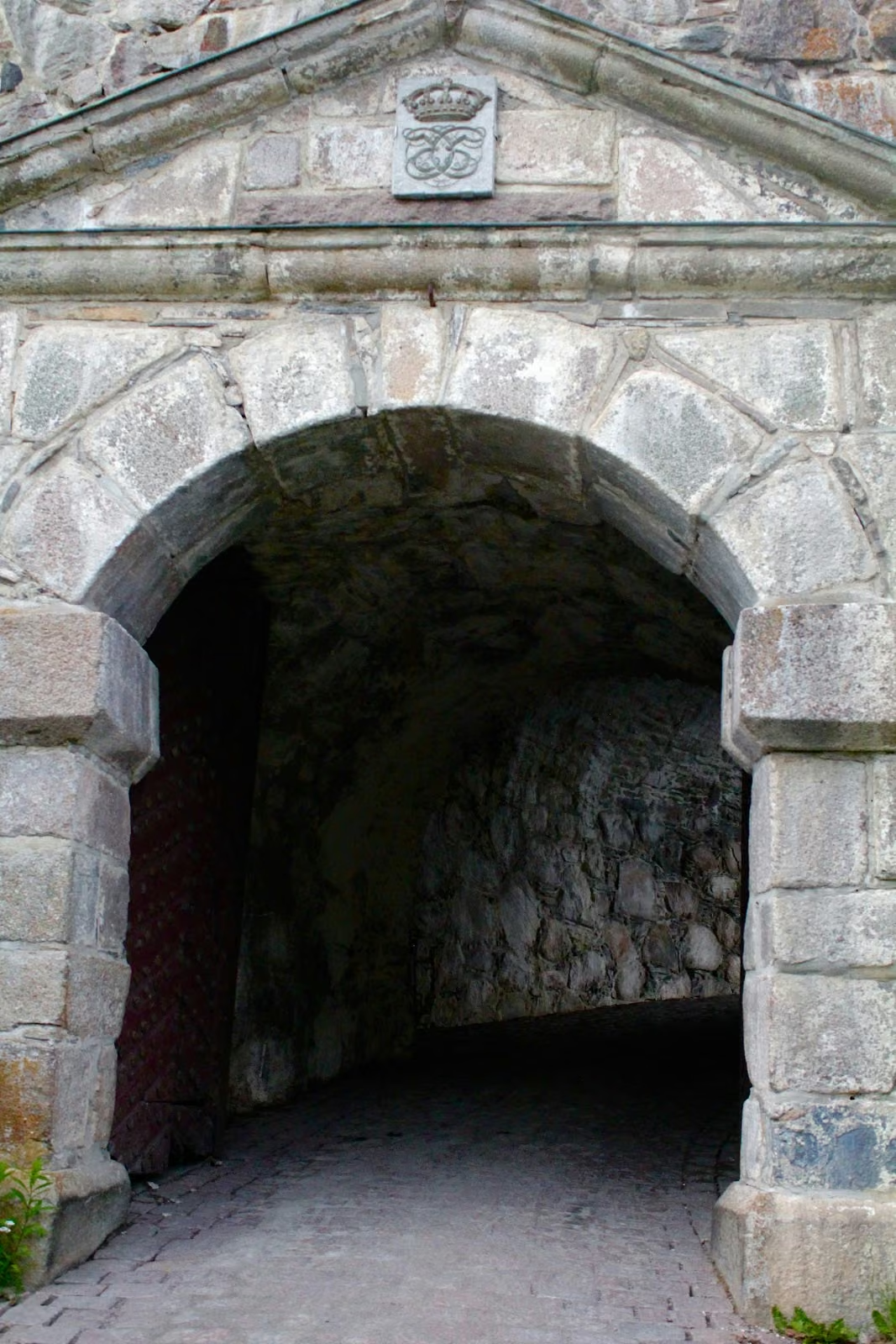
Festningen Castle stands inside Kongsvinger Fortress, one of Norway's major border fortifications, with origins reaching back to 1673 on Tråstadberget overlooking the Glomma river. King Christian V approved the star-shaped fortress plan by Lieutenant Anthony Coucheron in 1681 and visited the completed site in 1685. Though never besieged, the fortress served as an SS and Gestapo school during the Second World War before its 1940 surrender without a fight, then later hosted the Army Artillery School before its 2009 transfer to the Norwegian Armed Forces' cultural heritage division, now a landmark for concerts and festivals.
- Opened 1673
History
Festningen Castle stands inside Kongsvinger Fortress, one of Norway’s major border fortifications, whose origins reach back to 1673, when work began on a new strongpoint on Tråstadberget overlooking the bend in the Glomma river. The site grew out of earlier defensive works known as Vingersundet skanse, established after 1658, and was expanded into a full fortress under a plan prepared by Lieutenant Anthony Coucheron and approved by King Christian V in 1681. The finished fortress took on an irregular star-shaped form, with the river itself serving as a natural moat and making the position strategically formidable.
By 1684 the fortress was largely complete, though work continued for several more years. King Christian V visited in 1685, underscoring the installation’s importance in Norway’s border defense. In the 1700s, engineers added a dry moat, counterscarp, and glacis around the fortifications. The fortress was never besieged and never saw direct combat, even though Swedish forces twice reached the far side of the Glomma without crossing under fire from the guns on the hill.
Kongsvinger Fortress remained strategically relevant into the 19th and 20th centuries. It was modernized in 1901–02 with the nearby Vardåsen and Gullbekkåsen forts, and in March 1809 it became part of the diplomacy that produced the so-called Kongsvinger agreement between Norwegian and Swedish commanders. During the Second World War, the fortress was used for internments and later housed SS and Gestapo schools; in April 1940 its commander surrendered without a fight. After the war, the Army Artillery School moved in before relocating in 1959, and the site later hosted Heimevernet. A major wall collapse in 2005 led to repairs that were completed in 2009, and the fortress was transferred the same year from Heimevernet to the Norwegian Armed Forces’ cultural and heritage division. Today it is a cultural landmark, home to concerts, the Festningsspillene, and the Kongsvinger Fortress Museum in the old proviant house from 1682.
The setting
12 km from Kongsvinger Golf Club.
Awards
- Historic Hotels Worldwide member
Open Festningen Castle in the atlas for live weekend rates, photos, and the full folio.